
Living in Central Florida means being prepared for sudden power outages caused by summer storms and hurricane season. When the lights go out, having a backup power source can keep your family comfortable and your food from spoiling. Most homeowners find themselves choosing between two main options: a portable unit or a permanent standby system. Understanding how these two technologies differ will help you decide which one best fits your home's needs and your budget.
Understanding the Basics of Portable Generatorschoose
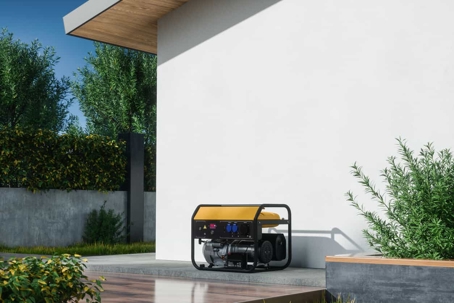
Portable generators are mobile units that usually run on gasoline or propane. They are a popular choice because they have a lower initial cost and can be stored in a garage or shed when they aren't being used. However, they require manual setup during a storm, which means you have to go outside, start the engine, and run heavy-duty extension cords to your appliances.
Because these units use combustion engines, they must stay at least 20 feet away from your home to prevent carbon monoxide poisoning. They provide enough power for essentials like a refrigerator, a few lights, and a fan, but they rarely have the capacity to run a central air conditioning system. To use them safely with your home’s existing outlets, you would need a professional to install a transfer switch.
The Convenience of Whole Home Standby Systems
A standby generator is a permanent fixture installed outside your home, much like an air conditioning compressor. These systems are connected directly to your home's electrical panel and run on your existing natural gas or liquid propane line. The most significant advantage is the automatic transfer switch, which senses a power loss and starts the generator immediately, even if you aren't home.
These systems are designed to handle much larger electrical loads. Depending on the size you choose, a standby unit can keep your entire house running exactly as it does when the grid is active. This includes high-energy items that portable units struggle with, such as:
- Central air conditioning and heating units
- Electric water heaters and well pumps
- Large kitchen ranges and ovens
- Home medical equipment and security systems
While the upfront investment is higher, the seamless transition and lack of refueling chores make these systems a "set it and forget it" solution for long-term safety.
Safety and Maintenance Considerations for Backup Power
Regardless of which type you choose, keeping your backup power source in good working order is vital for safety. Portable units need fresh fuel and regular oil changes, as gas can go bad if it sits in the tank for too long. Standby units also require routine checkups to ensure the battery is charged and the engine components are ready to fire up at a moment's notice.
Safety should always come first when dealing with high-voltage equipment. Many homeowners encounter trouble when they try to backfeed their home by plugging a generator into a wall outlet, which is extremely dangerous for both the homeowner and utility workers. Professional guidance ensures that your backup system is grounded and connected according to local Orlando building codes.
Choosing the Right Backup Power Strategy
Deciding between a portable and a standby system comes down to your specific goals for comfort and safety. If you only need to keep the lights on and the fridge running for a few hours, a portable unit with a manual transfer switch is a practical, cost-effective choice. However, if you want to maintain your full lifestyle—especially keeping the AC running during a hot Florida blackout—a permanent standby system provides the necessary capacity and reliability. Taking the time to evaluate your power needs now prevents a stressful situation when the next big storm arrives.
When you are ready to secure your home's energy future, getting a professional assessment is the most important step. Solaris Electric can assist with your home's specific requirements by providing expert generator installation & repair. We focus on the technical side of the job, including professional load calculations and the installation of a dedicated transfer switch to ensure your backup system operates safely. Whether you need a simple connection for a portable unit or a full home standby setup, our elite workforce is here to help you stay powered.
If you want to ensure your home stays bright and cool during the next power outage, contact our team today for a professional evaluation at (321) 780-2811 or through our online booking form.