
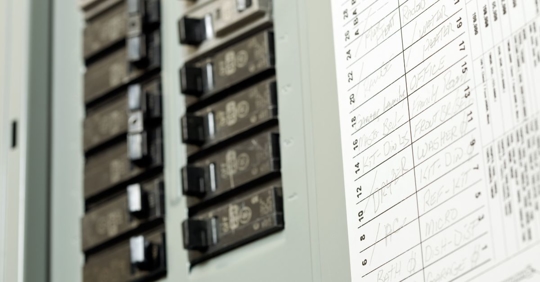
It’s always inconvenient when part of your home suddenly loses power — maybe your lights flicker out mid-dinner or your blow dryer shuts off without warning. In most cases, a tripped circuit breaker is to blame. While resetting a breaker is usually simple, frequent trips can signal deeper electrical issues that deserve attention. Understanding how circuit breakers work, why they trip, and what you can do to prevent it helps keep your home safe, efficient, and powered without interruption.
What Circuit Breakers Do
Circuit breakers are the silent guardians of your electrical system. Their job is to automatically cut off electricity when a problem occurs, protecting your home from overheating, damaged wiring, or even electrical fires. When an overload or fault happens, the breaker “trips,” stopping the flow of electricity to that circuit. Without this safety mechanism, excess current could easily cause wires to overheat or melt, leading to dangerous and costly damage.
Types of Circuit Breakers
Different types of breakers are designed to protect against specific risks.
Understanding what each one does helps homeowners recognize how their electrical systems keep them safe:
- Single-pole breakers – Handle 120-volt circuits, typically used for lighting and standard outlets throughout your home.
- Double-pole breakers – Control 240-volt circuits that power large appliances such as ovens, dryers, and air conditioners.
- Arc-Fault Circuit Interrupters (AFCIs) – Detect and stop electrical arcs caused by damaged or frayed wires that could lead to fires.
- Ground-Fault Circuit Interrupters (GFCIs) – Common in kitchens, bathrooms, and outdoor outlets, they shut off power instantly when moisture or a ground fault is detected.
- Combination breakers – Offer the benefits of both AFCI and GFCI protection for the highest level of electrical safety.
Each breaker type plays a unique role, ensuring your home’s wiring can safely deliver electricity wherever it’s needed.
How Circuit Breakers Operate
Inside every breaker is a small but sophisticated mechanism that constantly monitors the flow of electricity. When a circuit draws more power than it’s designed to handle—or when a fault occurs—the breaker’s internal sensor heats up or detects a magnetic surge, triggering it to shut off. This instant interruption protects your home from potential hazards like overheating wires or electrical fires.
When a breaker trips, you’ll usually notice that one of the switches in your electrical panel has moved to the middle or “off” position.
Resetting a breaker is simple, but doing it the right way matters:
- Unplug or turn off all devices connected to that circuit.
- Push the tripped breaker fully to the “off” position.
- Flip it firmly back to the “on” position.
If it trips again immediately, that’s a clear sign of a deeper issue—something that may require professional inspection.
Common Reasons Circuit Breakers Trip
Circuit breakers can trip for many reasons, but the most common causes tend to fall into three main categories. Knowing which one applies can help you decide whether it’s a quick fix or time to call in an electrician.
Electrical Overload
An overload occurs when a circuit is asked to supply more electricity than it’s built to handle. Picture plugging too many appliances—like a space heater, toaster, and coffee maker—into the same outlet. The current demand exceeds what the circuit can safely manage, so the breaker shuts it down before wires overheat.
Signs of an overloaded circuit include:
- Lights that dim or flicker when other devices are turned on
- Buzzing or humming sounds from outlets or appliances
- Warm or discolored outlet covers
To prevent overloads, try to:
- Spread high-energy devices across multiple circuits
- Use heavy-duty extension cords only temporarily
- Choose power strips with built-in surge protection
- Be mindful of what’s running on the same line
Even small adjustments, like unplugging devices you’re not using, can reduce the strain on your home’s electrical system.
Short Circuits
A short circuit happens when a hot wire touches a neutral or ground wire, creating a direct path for current and triggering a sudden surge. This causes the breaker to trip instantly, often accompanied by a burning smell, sparks, or charred marks around outlets or plugs.
Short circuits are one of the most dangerous electrical problems, since they can lead to fires if not addressed quickly. If you suspect a short, stop using that outlet or appliance and have a licensed electrician inspect the wiring immediately.
Ground Faults
Ground faults occur when electricity veers off its intended path and connects with a grounded surface—often due to water exposure or damaged insulation. These faults are especially common in bathrooms, kitchens, and outdoor outlets. GFCI outlets are designed to protect you by cutting power within milliseconds of detecting a ground fault.
If a GFCI outlet trips repeatedly, it’s signaling an ongoing problem that shouldn’t be ignored. The safest approach is to identify the cause and have the circuit inspected before restoring power.
Troubleshooting a Tripped Breaker
When your power cuts out, it’s tempting to just flip the breaker back on and move on. But before you do, it’s important to determine why it tripped in the first place.
Here’s a safe way to troubleshoot:
- Unplug all appliances and devices connected to that circuit.
- Inspect cords and outlets for damage, discoloration, or a burnt smell.
- Reset the breaker using the steps above.
- Reconnect devices one at a time and monitor for another trip.
If your breaker continues to trip after a reset, don’t force it. Frequent tripping could point to a failing breaker, overloaded wiring, or an appliance issue—all situations best left to a professional electrician.
When to Call a Professional
Some electrical issues are simply too risky to handle alone. You should reach out to a licensed electrician if you notice:
- Breakers tripping multiple times without explanation
- Burning smells or visible scorch marks on outlets or your panel
- Crackling or buzzing sounds when power is restored
- An outdated electrical panel or wiring system
A professional can test circuits safely, identify underlying causes, and recommend updates or repairs to bring your system up to current safety standards. Ignoring these signs could lead to far bigger issues—both in terms of cost and safety.
Electrical Safety Best Practices
Your home’s electrical system doesn’t require daily attention, but regular care and awareness go a long way in preventing hazards. Here are a few simple habits to protect your home and family:
- Schedule electrical inspections every few years, or annually for older homes.
- Upgrade outdated breaker panels to handle modern power needs.
- Replace damaged cords, outlets, or switches immediately.
- Avoid running extension cords under rugs or through doorways.
- Always turn off the main power before attempting any DIY electrical work.
Even minor upkeep helps your system run efficiently and keeps your home safe from potential fire or shock risks.
The Future of Circuit Breaker Technology
Today’s circuit breaker systems are becoming smarter and more efficient. Modern “smart breakers” connect with mobile apps to monitor electrical loads, send real-time alerts, and even shut off circuits remotely if a problem arises. These advanced systems can help homeowners catch early warning signs before they turn into serious hazards.
Upgrading to a new electrical panel or integrating smart technology also improves energy efficiency and supports today’s growing electrical demands—from EV chargers to home automation systems. A professional electrician can recommend solutions that align with your home’s power use and safety needs.
If You're Dealing with Tripped Breakers, Don't Hesitate to Call Solaris Electric
A tripped circuit breaker is your home’s way of telling you something isn’t right. While resetting it might fix the immediate issue, understanding why it happened—and knowing when to call a professional—can prevent bigger electrical problems in the future.
For homeowners dealing with frequent trips or outdated panels, Solaris Electric is here to help. Our licensed electricians provide safe, thorough service and reliable solutions to keep your home powered and protected.
Call Solaris Electric now at (321) 419-1924 or send us a message online.